
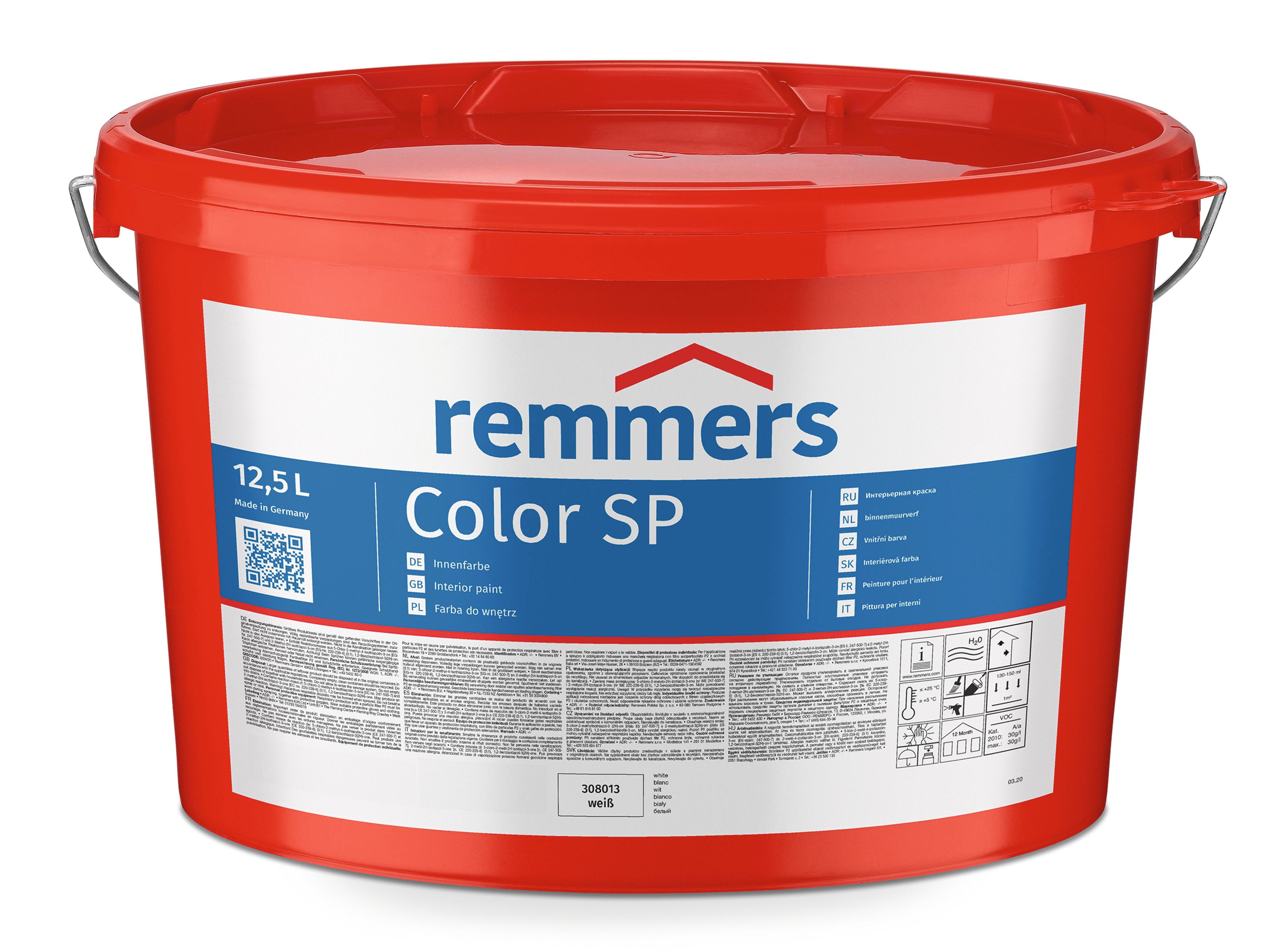
Ürün No. 308005
Color SP
Tadilat sıva sistemleri için yüksek su buharı geçirgenliğine sahip iç cephe boyası

Ürün varyantları
İndirilebilir Dökümanlar
Broşürler
Teknik Özellikler
Uygulama Alanları

- Opaque coating for repair plaster in indoor areas
- Mineral substrates
- Refurbishing coating on old, solid, matt paint
- Wall paper/ woodchip wallpaper
Özellikler

- Free from solvents and plasticizers
- Low emissions
- Wet abrasion resistance class 3 according to DIN EN 13300
- Hiding power class 1 at 7.5 m2/l
- Degree of gloss: dull matt
- Highly permeable to water vapour
- Substrate requirements: Dry, clean, free of dust and cracks and capable of supporting a load. Free of salts known to be damaging to building materials.
- Preparations: Remove any old coatings not capable of supporting a load, making sure not to leave any residue. Prime sanding, well adhering substrates with Primer Hydro F (art. 2842).
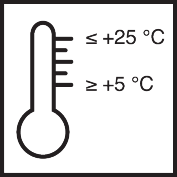
- Application requirements: Temperature of material, environment and substrate: min. +5 °C up to max. +25 °C
- Stir well. Coat the surface using a suitable tool. Depending on the conditions of the substrate, apply 1 or 2 coats. Wait at least 8 hours between coats.
- Take appropriate measures to protect adjacent building elements and materials that should not come into contact with the product. When coating continuous surfaces, only use materials with the same batch number. Intensive colours, such as yellow, red, etc. may have a lower hiding power due to their pigments. Apply an additional coat if required.
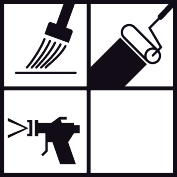
- Paintbrush, flat brush, lambskin roller, airless sprayer
- Clean tools, equipment and any splashed material immediately with water while still fresh.

- Approx. 0.13 - 0.15 l/m² per coat
- Application rates may vary depending on the condition of the surface. Apply to a large enough trial area to determine the precise amount required.
- Current regulations and legal requirements must be taken into account and deviations from these must be agreed separately. The relevant test certificates must be observed when planning and carrying out work. Always set up a trial area/trial areas first.
- Larger quantities of leftover product should be disposed of in the original containers in accordance with the applicable regulations. Completely empty, clean containers should be recycled. Do not dispose of together with household waste. Do not allow to enter the sewage system. Do not empty into drains.
- For further information on the safety aspects of transporting, storing and handling the product and on disposal and environmental matters, please see the current Safety Data Sheet.