
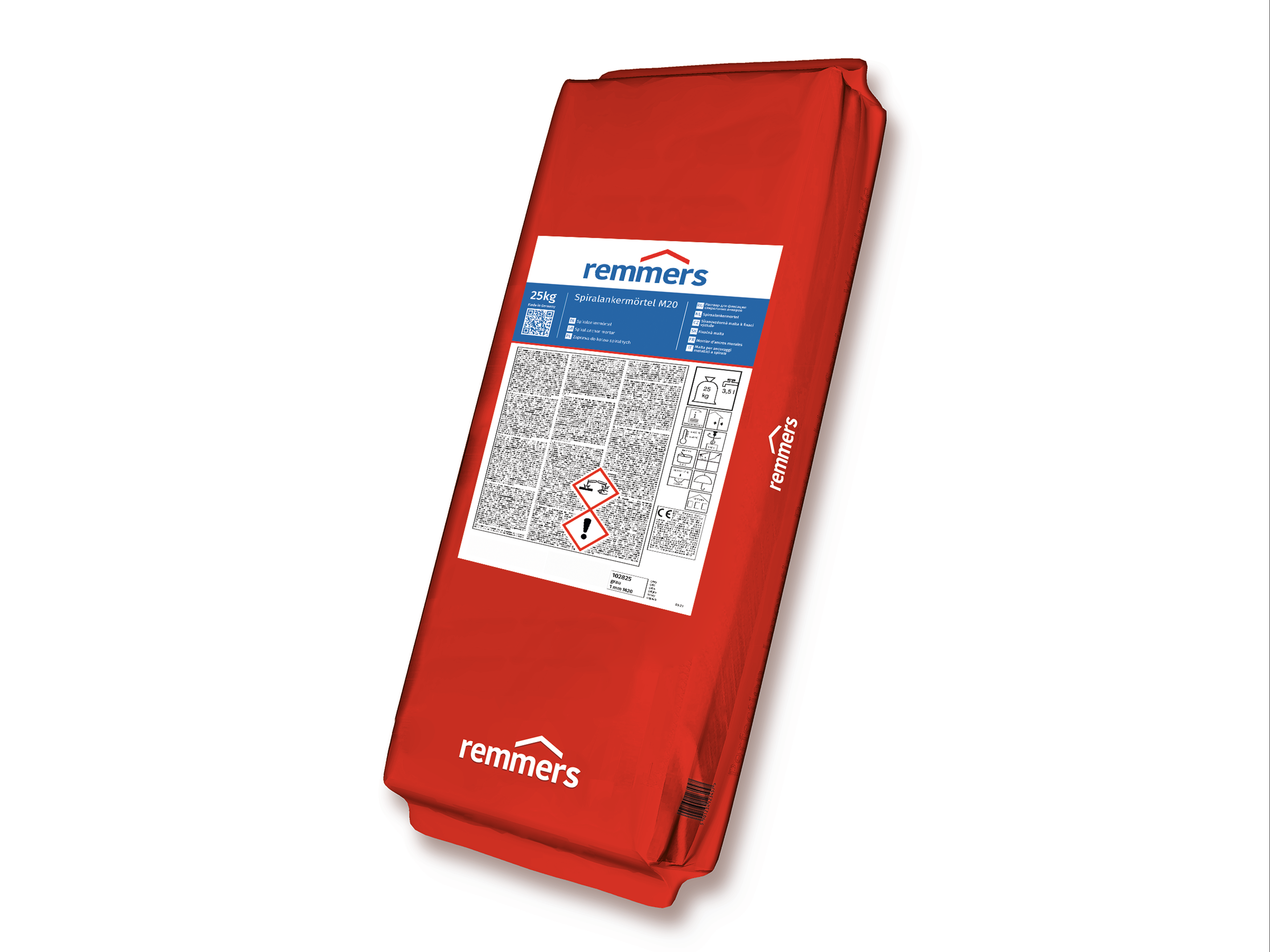
Ürün No. 102825
Spiral Anchor Mortar M20
Spiral ankrajların gömülmesi için yüksek sülfat direncine sahip, makine ile uygulanabilir derz harcı
Ürün varyantları
İndirilebilir Dökümanlar
Teknik Özellikler
Uygulama Alanları
- Embedding spiral anchors for reinforcing cracked masonry
Özellikler
- Single-component
- Machine workable
- Good flank adhesion
- High sulphate resistance and low active alkali content (SR/NA)
- Plastic-modified
- Substrate requirements: Clean, dust-free and capable of supporting a load.
- Preparations: Joint depth min. 6 cm Sanded joint sides can lead to lateral detachment.
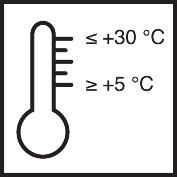
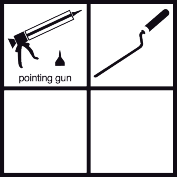
- Pre-wet the open, cleaned joint. Inject the first layer of mortar into the joint such that it is free of voids and press the spiral anchor into the centre. While the previous layer is still wet, apply the second layer of mortar such that it is free of voids. On fair-faced masonry, apply the material up to a level of 2 cm beneath the final surface and work with a jointing iron. Wait at least 24 hours before applying subsequent layers.
- Once it has hardened, mortar must not be made workable again by adding either water or more wet mortar. Protect wet mortar surfaces against frost, rain and drying out too quickly for at least 4 days.
- Mixer, jointing gun, jointing iron Clean tools and equipment with water before the mortar sets.


- If stored in an unopened container and in a dry place, the product will keep for approx. 12 months.

- Approx. 1.7 kg/l void
- Apply to a large enough trial area to determine the precise amount required.
- May contain traces of pyrite (iron sulphide). Do not use on gypsum-based substrates. The characteristic data of the product were calculated under laboratory conditions at 20°C and 65% relative humidity. Low chromate content in accordance with Directive 2003/53/EC. The mixing water must be of drinking water quality. Alkaline binders may cause a dissolution process on non-ferrous metals. Current regulations and legal requirements must be taken into account and deviations from these must be agreed separately. The relevant test certificates must be observed when planning and carrying out work.
- Larger quantities of leftover product should be disposed of in the original containers in accordance with the applicable regulations. Completely empty, clean containers should be recycled. Do not dispose of together with household waste. Do not allow to enter the sewage system. Do not empty into drains.
- For further information on the safety aspects of transporting, storing and handling the product and on disposal and environmental matters, please see the current Safety Data Sheet.